Exercise places stress on the body, especially on muscles that are repeatedly engaged during strength training, endurance activities, or high-intensity workouts. While this stress is essential for building strength and improving performance, it often leads to muscle soreness, inflammation, and fatigue that can interfere with future training sessions. Athletes and fitness enthusiasts are constantly searching for methods to enhance recovery and reduce downtime between workouts. One technique that has gained considerable attention in recent years is red light therapy. This non-invasive treatment uses specific wavelengths of red and near-infrared light to support the body’s natural healing processes and promote faster muscle recovery after exercise.
Understanding Red Light Therapy
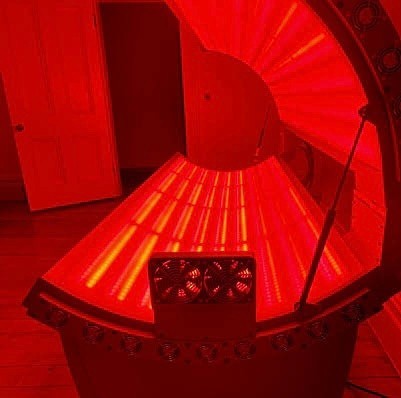
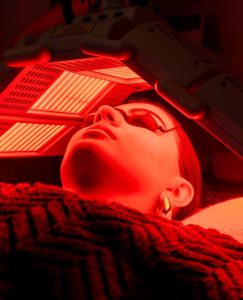
Red light therapy, also known as photobiomodulation, involves exposing the body to low levels of red and near-infrared light. Unlike ultraviolet rays, these wavelengths do not damage the skin or tissues. Instead, they penetrate deep into the muscles and cells, where they stimulate the mitochondria, often referred to as the powerhouses of the cell. Increased mitochondrial activity boosts the production of adenosine triphosphate (ATP), which provides energy needed for cellular repair and regeneration. This enhanced energy production allows the body to recover more efficiently after physical activity and helps reduce the effects of exercise-induced stress. Experience the benefits of Red Light Therapy For Muscle Recovery at Total XEN, where advanced full-body photobiomodulation technology helps reduce inflammation, support tissue repair, and accelerate post-workout recovery for improved performance and overall wellness.
Reduces Muscle Soreness and Fatigue
One of the most appreciated benefits of red light therapy is its ability to reduce delayed onset muscle soreness, commonly known as DOMS. Muscle soreness often develops after intense or unfamiliar exercise and can persist for several days. By stimulating circulation and improving cellular repair, red light therapy helps ease discomfort and reduce the intensity of soreness. Individuals who use this therapy regularly often experience less muscle fatigue and can return to their training routines sooner. Reduced soreness also improves overall comfort and allows people to maintain consistency in their fitness programs without extended periods of inactivity.
Supports Faster Tissue Repair
Exercise causes microscopic tears in muscle fibers, which are necessary for muscle growth and adaptation. However, the body requires time and resources to repair these tissues effectively. Red light therapy accelerates this process by enhancing cellular activity and supporting protein synthesis. Increased ATP production enables cells to repair damaged tissues more efficiently, resulting in faster recovery. This benefit is particularly valuable for athletes and individuals who train frequently because it allows them to maintain high performance levels without excessive recovery periods between workouts.
Helps Decrease Inflammation
Inflammation is a natural response to physical exertion, but excessive inflammation can prolong recovery and contribute to discomfort. Red light therapy has been shown to help regulate inflammatory responses by influencing various cellular mechanisms. By reducing inflammation in muscles and surrounding tissues, the therapy can improve mobility and decrease pain after exercise. Lower inflammation also reduces stress on joints and connective tissues, making it easier for individuals to continue training while minimizing the risk of overuse injuries.
Improves Blood Circulation and Oxygen Delivery
Healthy circulation is essential for delivering oxygen and nutrients to muscles while removing waste products such as lactic acid. Red light therapy promotes vasodilation, which enhances blood flow throughout the body. Improved circulation ensures that recovering muscles receive the nutrients needed for repair and regeneration. Better oxygen delivery also contributes to increased endurance and reduced fatigue during future workouts. Enhanced circulation supports overall physical performance and can help individuals recover more effectively after demanding exercise sessions.
Enhances Athletic Performance
Many athletes incorporate red light therapy into their recovery routines because it may contribute to improved performance. Faster recovery allows muscles to regain strength more quickly, enabling individuals to train more consistently and with greater intensity. Reduced soreness and inflammation make it possible to maintain regular exercise schedules without frequent interruptions. Over time, these benefits can lead to better endurance, increased strength, and improved overall physical conditioning. Whether used by professional athletes or recreational fitness enthusiasts, red light therapy offers a supportive approach to achieving performance goals.
Non-Invasive and Convenient Recovery Method
Unlike medications or invasive treatments, red light therapy is painless and easy to incorporate into daily routines. Sessions typically last only a few minutes and can be performed before or after exercise. Many wellness centers, physical therapy clinics, and home devices provide access to this technology, making it convenient for individuals seeking natural recovery solutions. Since the therapy does not involve chemicals or lengthy procedures, it is considered a safe and practical option for long-term use when used according to recommended guidelines.
Complements Other Recovery Strategies
Red light therapy works best when combined with other healthy recovery practices. Adequate sleep, proper hydration, balanced nutrition, and stretching all contribute to optimal muscle repair. Incorporating red light therapy alongside these habits can create a comprehensive recovery strategy that supports overall wellness and physical performance. The therapy should not replace essential recovery practices but rather serve as an additional tool to enhance the body’s natural healing capabilities.
Conclusion
Muscle recovery plays a vital role in maintaining fitness progress and preventing injury. Red light therapy offers a promising solution for individuals looking to reduce soreness, decrease inflammation, and accelerate tissue repair after exercise. By supporting cellular energy production and improving circulation, this innovative treatment helps the body recover more efficiently and prepares muscles for future activity. As interest in non-invasive recovery methods continues to grow, red light therapy has emerged as a valuable option for athletes and fitness enthusiasts seeking to optimize performance and maintain long-term physical health.