Seeing money disappear from a paycheck can make an already difficult debt problem feel urgent. Texas generally protects current wages from garnishment for ordinary consumer debts, but exceptions exist, and other collection methods can still affect your finances. If money is being withheld or a creditor is pursuing collection through the courts, understanding why it is happening is the first step toward deciding whether bankruptcy may help.
Learning Why Your Pay Is Being Garnished
A bankruptcy lawyer in Marble Falls can review the garnishment and identify the debt behind it. This matters because wage protections do not apply in every situation. Certain obligations can be treated differently, so assuming that every deduction from your paycheck is improper could lead you in the wrong direction.
An attorney can also determine whether the withholding is actually a wage garnishment or another type of deduction. Once the source is clear, it becomes easier to understand what legal options may be available.
How The Automatic Stay May Provide Relief
Filing for bankruptcy generally creates an automatic stay that stops many collection actions. When a wage garnishment is covered by the stay, the creditor usually must stop collecting through that process while the protection remains in effect. This can provide immediate breathing room when part of your income has been going toward an old debt every payday.
The stay has limits, however, and certain obligations are treated differently under bankruptcy law. For that reason, an attorney can review the debt before filing and explain whether bankruptcy is likely to stop the particular garnishment you are facing.
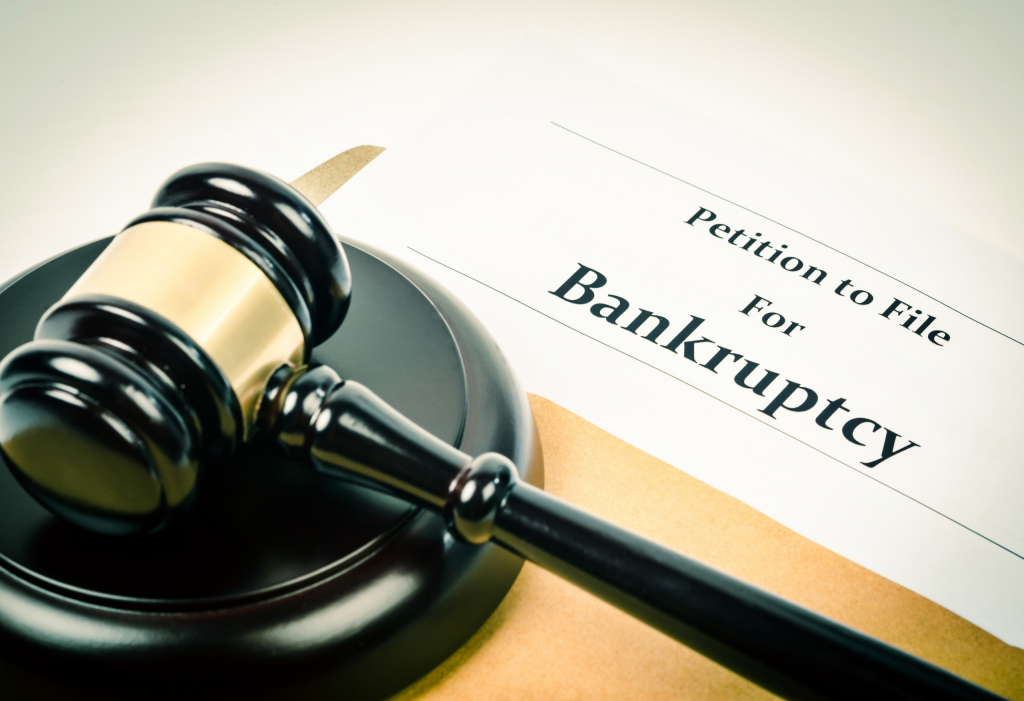
Addressing The Debt Behind The Garnishment
Stopping deductions from your paycheck only addresses the immediate pressure. The underlying debt still needs to be considered, which is where the type of bankruptcy you file can become important. Chapter 7 may discharge some qualifying debts, potentially eliminating the creditor’s ability to resume collection after the case. Chapter 13 uses a repayment plan and may provide another approach when you have income available but need time to reorganize what you owe.
Looking At The Rest Of Your Financial Situation
A garnishment is sometimes the clearest sign of a much larger debt problem. If the loss of part of your paycheck has made it harder to stay current elsewhere, dealing with only that creditor may not be enough. A lawyer can review the broader situation and determine whether bankruptcy could address the pressure more completely.
Getting advice early also gives you time to understand what filing would change before another paycheck is affected. A bankruptcy attorney can explain how the automatic stay applies, what may happen to the underlying debt, and whether Chapter 7 or Chapter 13 fits your circumstances. That clarity can help you choose a path that addresses the cause of the problem instead of focusing only on the deduction appearing on your pay stub.